Chipotle Mexican Grill Menu Nutrition: Explore the Details
Eating out today requires more than just picking a tasty meal. Many fans of fast-casual dining want to know exactly what they are consuming. Understanding chipotle mexican grill menu nutrition helps you make smarter choices for your daily goals.
Knowing the details allows you to enjoy your favorites without any hidden surprises. Health and transparency are vital when choosing what to eat for lunch or dinner.
Whether you prefer a bowl or a salad, the specifics matter for your lifestyle. We will look at how various components affect your overall wellness.
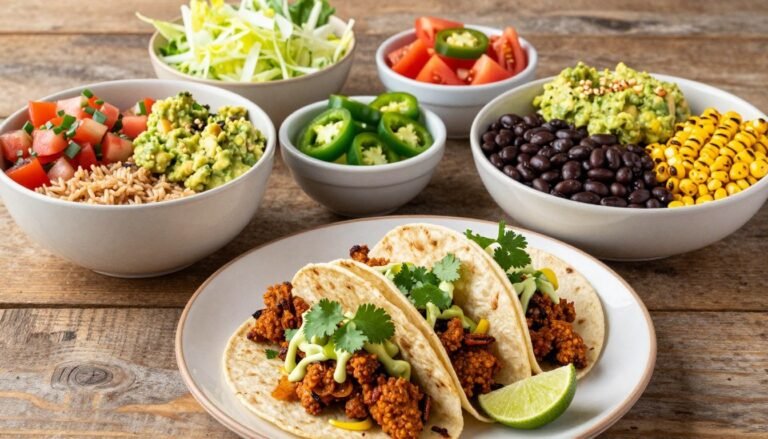
Exploring chipotle menu ingredients gives you a clear picture of what is inside your food. You can easily find options that fit low-carb, high-protein, or vegan diets. This allows for a truly personalized dining experience.
This guide provides a full breakdown to help you navigate your next visit with confidence. Stay informed to keep your fitness progress on the right track.
Key Takeaways
- Calorie Counts: Discover the energy levels of your favorite burrito builds.
- Protein Power: Identify the best meat and plant-based options for muscle growth.
- Sodium Awareness: Learn which toppings contribute the most to your daily salt intake.
- Fresh Components: Find out about the whole foods used in every batch of food.
- Dietary Customization: See how to modify meals for keto, paleo, or vegetarian needs.
- Smart Choices: Gain professional tips for balancing taste and wellness during your visit.
Understanding Chipotle’s Approach to Menu Nutrition
Chipotle’s dedication to serving ‘Food With Integrity’ is evident in their menu nutrition, focusing on high-quality, responsibly sourced ingredients. This commitment not only enhances the flavor and freshness of their meals but also significantly impacts the nutritional value. As Chipotle emphasizes, using responsibly sourced ingredients means that their menu items are not only delicious but also align with a healthier eating philosophy.
“We’re committed to sourcing ingredients that are not only better for you, but also better for the environment and the farmers who grow them,” as Chipotle puts it. This approach influences every aspect of their menu, from the proteins and produce to the grains and dairy products used. By choosing to use responsibly sourced ingredients, Chipotle ensures that their menu items are made with care for both the consumer’s health and the planet.
The nutritional value of Chipotle’s menu is directly tied to their sourcing practices. For instance, their proteins are raised without added hormones or antibiotics, and their produce is sourced from farms that use sustainable practices. This not only results in cleaner, more natural ingredients but also supports a more sustainable food system.
Key aspects of Chipotle’s nutritional approach include:
- Using responsibly sourced ingredients
- Emphasizing proteins raised without added hormones or antibiotics
- Sourcing produce from sustainable farms
- Preparing meals in-house using traditional cooking methods
By focusing on these aspects, Chipotle creates menu items that are not only flavorful but also nutritious. Their approach to menu nutrition is about more than just the nutritional content of their food; it’s about creating a healthier, more sustainable food culture.
Breaking Down Chipotle Menu Ingredients and Their Nutritional Value
Diving into the heart of Chipotle’s menu, we uncover the nutritional secrets behind their tantalizing offerings. To make informed choices, it’s essential to understand the nutritional components of their menu items.
Protein Options: Calories and Macronutrients
Chipotle offers a variety of protein options, including chicken, steak, carnitas, barbacoa, and vegetarian choices like beans and sofritas. Each protein source has a different calorie and macronutrient profile. For example, chicken contains about 150 calories and 26 grams of protein per 3-ounce serving, while steak has approximately 170 calories and 24 grams of protein per 3-ounce serving.
The calorie count of protein options can vary significantly based on the cooking method and added ingredients. Understanding these variations is key to managing overall chipotle menu calories.
Rice and Bean Bases: Carbs and Fiber Content
Rice and beans are staple bases for many Chipotle menu options. The restaurant offers both white and brown rice, with brown rice being the higher fiber choice. A cup of cooked brown rice contains about 216 calories and 3.5 grams of fiber, whereas white rice has around 205 calories and less than 1 gram of fiber.
Beans, whether black or pinto, are rich in fiber and protein. A cup of cooked black beans contains approximately 225 calories, 15 grams of protein, and 15 grams of fiber. These ingredients are crucial in determining the overall nutritional value of a meal.
Fresh Salsas and Toppings: Hidden Nutritional Benefits
Chipotle’s fresh salsas and toppings not only add flavor but also provide nutritional benefits. Salsas are made from ingredients like tomatoes, onions, and peppers, which are rich in vitamins and antioxidants. For instance, tomatoes are high in vitamin C and lycopene, an antioxidant that has been linked to several health benefits.
Toppings like lettuce, tomatoes, and salsa can add fiber, vitamins, and minerals to your meal without significantly increasing calorie counts. These chipotle menu options allow customers to enhance the nutritional profile of their meals.
Extras: Cheese, Sour Cream, and Guacamole
While extras like cheese, sour cream, and guacamole can enhance the flavor of your meal, they also add calories and fat. A serving of guacamole, for example, contains around 170 calories and 16 grams of fat, mostly from healthy monounsaturated sources. Cheese and sour cream add calories and saturated fat.
Being mindful of these extras is crucial for managing the overall calorie and nutrient intake of your meal. By choosing wisely, you can enjoy these extras while keeping your meal balanced.
Chipotle Burrito Nutrition Facts and Calorie Counts
The nutritional value of a Chipotle burrito can vary greatly depending on your choices. With a variety of ingredients and customization options, it’s possible to tailor your burrito to fit your dietary needs. However, with so many choices, it can be challenging to understand the nutritional implications of your decisions.
Standard Burrito Combinations
Let’s examine some standard burrito combinations and their nutritional facts. A typical burrito includes a tortilla, rice, beans, protein, and various toppings. For example, a burrito with brown rice, black beans, chicken, salsa, and cheese can range from 375 to over 700 calories, depending on the specific ingredients and portion sizes.
As Chipotle’s nutrition information shows, the calorie count can escalate quickly with additions like sour cream, guacamole, and extra cheese. Being mindful of these extras is crucial for managing calorie intake.
“The key to a healthier burrito is balance and mindful portion control.”
How Tortilla Choice Affects Nutrition
The type of tortilla you choose can significantly impact the nutritional content of your burrito. Whole wheat tortillas offer more fiber compared to their flour counterparts, potentially making them a healthier option for those looking to increase their fiber intake.
- Whole wheat tortilla: 100 calories, 4g fiber
- Flour tortilla: 120-140 calories, 2g fiber
Customizing Your Burrito for Lower Calories
Customization is key to reducing the calorie count of your burrito. Opting for brown rice instead of white rice, choosing lean proteins like chicken or steak, and loading up on vegetables can make a significant difference.
Additionally, being cautious with extras like sour cream and cheese can help keep calories in check. Consider alternatives like salsa or guacamole for added flavor without the excessive calories.
Chipotle Burrito Bowl Nutrition: A Healthier Alternative
Chipotle’s burrito bowl offers a nutritious alternative to traditional burritos by simply removing the tortilla. This simple modification can significantly impact the nutritional content of your meal, making it a popular choice for those seeking healthier options.
Why Bowls Save Calories
Removing the tortilla from your meal can save you a considerable amount of calories. A typical Chipotle tortilla contains around 300 calories for a large flour tortilla. By opting for a bowl, you can allocate these calories to other, potentially more nutritious components of your meal.
Popular Bowl Combinations and Their Stats
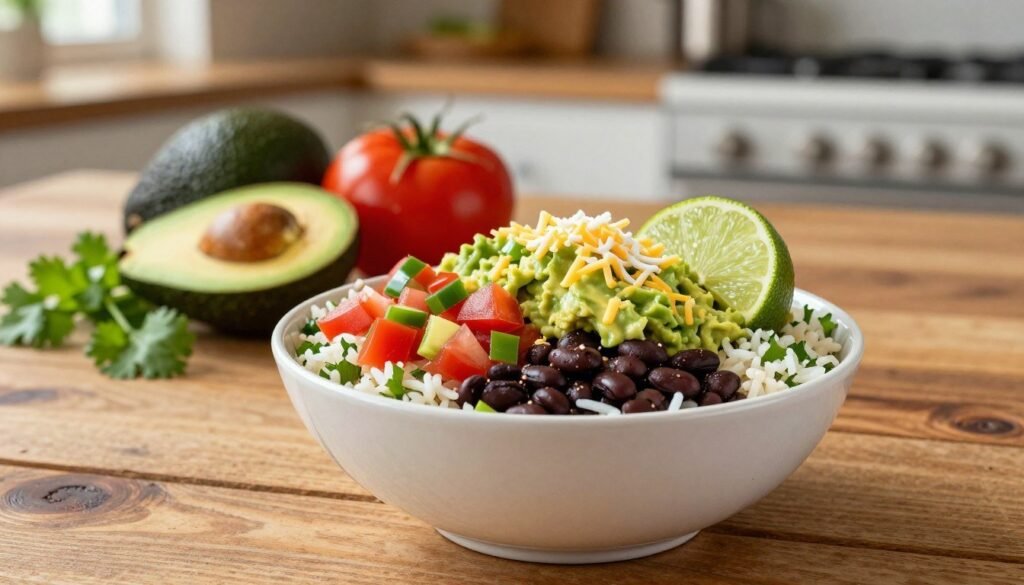
Some popular bowl combinations include chicken, brown rice, black beans, salsa, and guacamole; steak, white rice, pinto beans, fajita veggies, and salsa; and vegetarian options with brown rice, black beans, roasted vegetables, and guacamole.
- Chicken Bowl: Approximately 540 calories, with 40g of protein and 10g of fiber.
- Steak Bowl: Around 570 calories, with 35g of protein and 8g of fiber.
- Vegetarian Bowl: About 520 calories, with 15g of protein and 12g of fiber.
These combinations not only save on calories by avoiding the tortilla but also pack a nutritious punch with protein, fiber, and healthy fats.
Building a Balanced Burrito Bowl
To build a balanced burrito bowl, start with a base of brown rice or black beans for complex carbohydrates and fiber. Add a protein source like chicken, steak, or tofu for muscle repair and satisfaction. Top with a variety of vegetables for vitamins and minerals, and finish with salsa and guacamole for flavor and healthy fats.
By making informed choices, you can enjoy a delicious and nutritious meal that aligns with your dietary goals.
Tacos and Salads: Exploring Lower-Calorie Menu Options
For those looking for a lighter meal, Chipotle’s tacos and salads offer a delicious and nutritious alternative. These menu options cater to individuals seeking to manage their calorie intake without sacrificing flavor.
Soft and Crispy Taco Nutritional Breakdown
Chipotle’s tacos are a great option for those looking to reduce their calorie consumption. A soft or crispy taco shell can significantly affect the nutritional content. The soft taco shell contains fewer calories compared to the crispy version. When filled with chicken, steak, or veggies, tacos can be a nutrient-rich meal.
Let’s examine the nutritional breakdown of a chicken soft taco: approximately 150 calories, 25 grams of protein, and 6 grams of fat. In contrast, a crispy taco with similar fillings can add an extra 100 calories due to the fried shell.
Salad Base Benefits and Dressing Considerations
Salads at Chipotle are another healthy option, allowing customers to load up on fresh greens, proteins, and veggies. The salad base is primarily composed of romaine lettuce, which is low in calories and rich in vitamins. Adding proteins like chicken or steak increases the protein content, making it a filling meal.
However, the dressing can greatly impact the calorie count. Opting for a lighter dressing or using it sparingly can help keep the salad nutritious and low in calories.
Portion Control with Tacos
Even healthier options like tacos can lead to overeating if not managed properly. To maintain portion control, consider ordering a single taco instead of multiple or opting for a salad as a complement rather than an addition to other meals.
Chipotle Mexican Grill Menu Nutrition: Complete Calorie Guide
Here’s a breakdown of Chipotle’s menu calories to help you make informed choices. Understanding the calorie content of your meal is crucial when you’re trying to manage your diet. Chipotle offers a variety of options that can fit different dietary needs, from high-calorie burritos to lower-calorie bowls and salads.
Understanding Calorie Ranges Across Menu Items
Chipotle’s menu is diverse, with items ranging from under 150 calories to over 1,000 calories, depending on the choices you make. The key to managing calorie intake is understanding the nutritional content of each component of your meal.
- Burritos: Can range from approximately 300 to over 1,000 calories based on fillings and toppings.
- Bowls: Generally lower than burritos due to the absence of a tortilla, bowls can range from about 200 to 900 calories.
- Tacos: With or without tortillas, tacos can be a lower-calorie option, ranging from around 150 to 500 calories.
- Salads: The base for salads is typically low in calories, but add dressings and proteins, and the count can go up to 500 calories or more.
Highest and Lowest Calorie Combinations
Knowing the highest and lowest calorie combinations can help you plan your meal according to your dietary needs.
Maximum Calorie Meals
The highest calorie meals at Chipotle typically include a burrito with multiple proteins, rice, beans, cheese, sour cream, and guacamole. A burrito with carnitas, brown rice, black beans, cheese, sour cream, and guacamole can exceed 1,000 calories.
Minimum Calorie Meals
For lower-calorie options, consider a salad or bowl with lean protein like chicken or steak, plenty of vegetables, and a light dressing. A chicken salad with fajita veggies, salsa, and a small amount of guacamole can be under 350 calories.
How Add-Ons Impact Your Total Calories
Add-ons like guacamole, sour cream, and cheese can significantly increase the calorie count of your meal. For example, guacamole adds about 170 calories per serving, while sour cream adds around 110 calories.
By being mindful of these add-ons and choosing wisely, you can better manage your calorie intake at Chipotle. Whether you’re looking for a low-calorie meal or a more indulgent option, understanding the calorie guide is key to making informed choices.
Healthy Choices at Chipotle: Diet-Friendly Strategies
With a little planning, you can enjoy a nutritious meal at Chipotle. The key is understanding the nutritional content of their menu items and making informed choices.
Low-Carb and Keto Options
For those following a low-carb or keto diet, Chipotle offers several options. You can start with a burrito bowl or salad as your base, which allows you to skip the rice and tortilla.
Choose protein-rich foods like grilled chicken, steak, or barbacoa, and pair them with vegetables like fajita veggies or tomato salsa. Adding healthy fats such as guacamole or sour cream can also help meet your dietary needs.
| Low-Carb Option | Carb Count | Protein Content |
|---|---|---|
| Grilled Chicken Bowl with Veggies | 5g | 37g |
| Steak Salad with Guacamole | 6g | 32g |
| Barbacoa Bowl with Fajita Veggies | 7g | 39g |
High-Protein Meal Combinations
If you’re looking to increase your protein intake, Chipotle has several high-protein options. You can choose from a variety of proteins including chicken, steak, and barbacoa.
Pairing your protein with black beans and fajita veggies not only adds fiber but also keeps the meal filling and satisfying.
Vegetarian and Vegan Nutrition
Vegetarians and vegans can also enjoy healthy meals at Chipotle. Opting for a veggie burrito bowl or salad with black beans or pinto beans provides a good source of protein and fiber.
For vegan options, be sure to skip the sour cream and cheese, and choose guacamole or tomato salsa for added flavor.
Weight Management Tips When Ordering
Managing weight while eating at Chipotle involves making smart choices. Start by choosing a salad or bowl instead of a burrito to reduce calorie intake.
Be mindful of portion sizes and avoid overloading on high-calorie toppings like cheese and sour cream. Instead, opt for salsa and hot sauce to add flavor without the extra calories.
Chipotle Allergen Information and Special Dietary Needs
Chipotle is committed to transparency regarding allergens and special dietary needs in their menu items. This commitment ensures that customers with specific dietary requirements can enjoy their meals safely.
Common Allergens in Chipotle Menu Items
Chipotle’s menu includes a variety of ingredients that are common allergens. These include milk, eggs, fish, shellfish, tree nuts, peanuts, wheat, and soy. Understanding where these allergens are present is crucial for customers with allergies.
For instance, their tortillas contain gluten, making them unsuitable for those with gluten intolerance or celiac disease unless they opt for the corn tortillas. Additionally, their guacamole contains tree nuts.
| Menu Item | Common Allergens |
|---|---|
| Burrito with Meat and Cheese | Milk, Wheat (if flour tortilla), Soy |
| Guacamole | Tree Nuts |
| Salad with Chicken | None (if no nuts or dairy toppings) |
Gluten-Free Options at Chipotle
For customers who require a gluten-free diet, Chipotle offers several options. The corn tortillas are gluten-free, making tacos and burritos with corn tortillas a viable choice. Additionally, burrito bowls are inherently gluten-free as long as the customer avoids the flour tortilla.
It’s also worth noting that while Chipotle takes steps to avoid cross-contamination, their kitchens are not entirely gluten-free environments.
Dairy-Free and Nut-Free Choices
Customers looking for dairy-free options can consider avoiding cheese and sour cream. Chipotle’s plant-based proteins and most of their salsas are dairy-free.
For those avoiding nuts, it’s essential to be cautious with the guacamole and certain salsas, as they may contain or come into contact with nuts during preparation.
Conclusion
Navigating Chipotle Mexican Grill’s menu can be a daunting task, especially for those looking to make healthier choices. Throughout this article, we’ve broken down the nutritional content of various menu items, from burritos and bowls to tacos and salads.
By understanding the nutritional value of Chipotle’s ingredients and menu combinations, you can make informed decisions that align with your dietary goals. Whether you’re watching your calorie intake, managing a specific diet, or simply seeking a balanced meal, Chipotle’s customizable menu allows for a range of healthy options.
Chipotle Mexican Grill menu nutrition information empowers you to take control of your meal, ensuring that your choice is not only delicious but also nutritious. With the insights gained from this article, you can enjoy Chipotle’s offerings while maintaining a healthy and balanced diet.