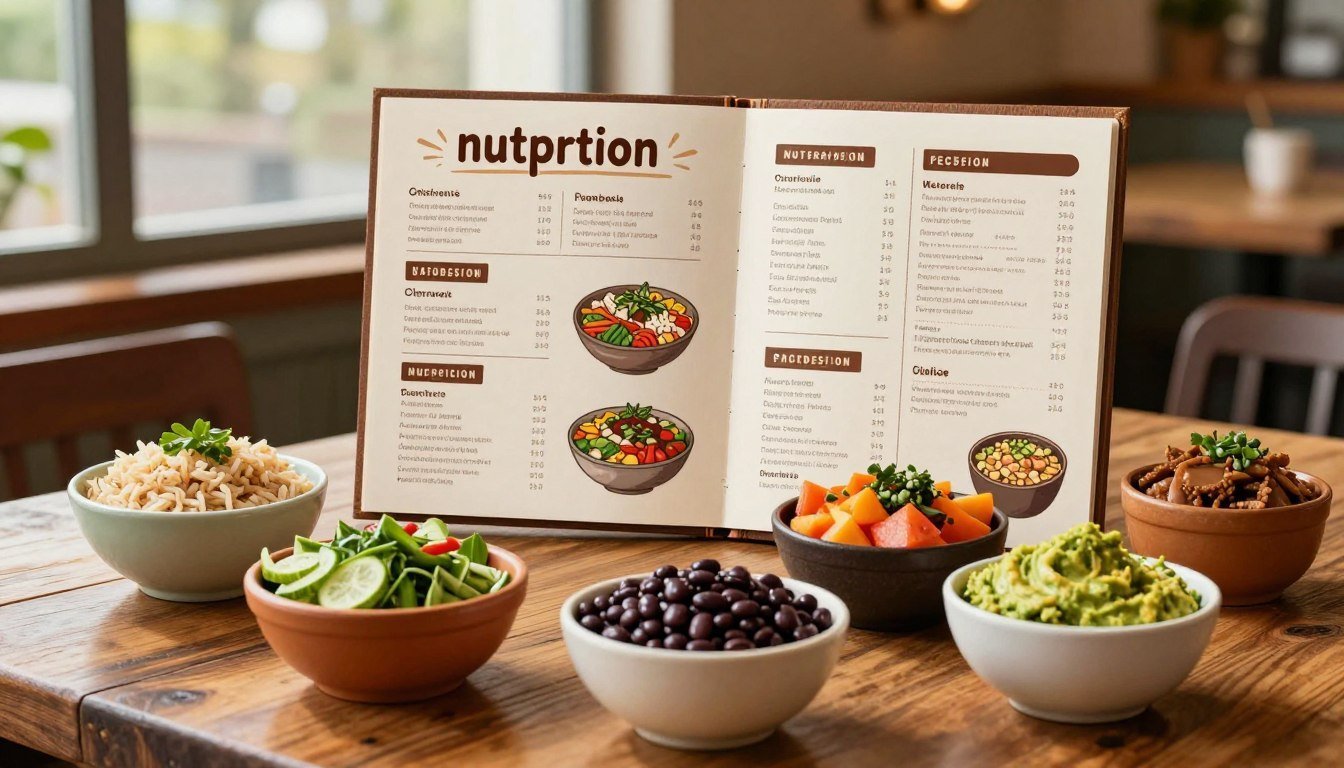
Chipotle’s Nutritious Menu: Discover Healthy Choices
Finding a balanced meal on the go often feels like a tough challenge. You can easily use the nutrition menu to stay on track with your fitness goals. This simple strategy helps you get the fuel you need without any extra calories. Picking fresh ingredients lets you enjoy your favorite food while staying on your diet.
Selecting smart proteins and fresh greens at this spot starts with understanding your base. It is very simple to build a bowl that fits your personal wellness objectives perfectly. This guide gives you the facts to make informed dining decisions today. You can satisfy your cravings and feel great about what you eat.
Key Takeaways
- Focus on fiber-rich beans and fajita veggies for volume.
- Opt for brown rice to add more whole grains to your meal.
- Choose lean protein options like grilled chicken or sofritas.
- Identify healthy choices at chipotle for a balanced diet.
- Limit high-calorie additions such as extra cheese or large chips.
- Use fresh salsa instead of sour cream to cut down on fat.
- Drink water or unsweetened tea to stay hydrated without sugar.
Why Nutrition Matters at Your Favorite Burrito Spot
Making informed choices about what you eat at Chipotle can significantly impact your overall health and wellbeing. When you’re aware of the chipotle nutrition facts, you’re better equipped to manage your diet effectively.
Understanding the nutritional content of your meal is crucial for maintaining a balanced diet. Chipotle’s menu, while delicious, can be complex when it comes to nutritional value. Knowing the chipotle calorie count of your chosen dishes helps in making healthier decisions.
A key aspect of dining at Chipotle is being mindful of the various components of your meal, from proteins to toppings. Each choice you make contributes to the overall nutritional profile of your meal.
| Nutritional Aspect | Importance | Chipotle Options |
|---|---|---|
| Calories | Energy intake management | Burrito bowls, salads |
| Protein | Muscle repair and growth | Chicken, steak, barbacoa, carnitas, sofritas |
| Fiber | Digestive health | Black beans, brown rice, fajita vegetables |
By being aware of these nutritional aspects and making informed choices, you can enjoy your meals at Chipotle while maintaining your health goals.
Navigating the Chipotle Nutrition Menu Like a Pro
Mastering the Chipotle nutrition menu is easier than you think, and it’s your key to healthier, more informed meal choices. With the right tools and knowledge, you can enjoy your favorite Chipotle meals while staying on top of your nutritional goals.
How to Access Chipotle Nutrition Facts
Chipotle provides detailed nutrition information for all their menu items. To access this information, you can visit their official website and look for the nutrition section. Here, you’ll find a comprehensive breakdown of the nutritional content of each ingredient, including calories, macronutrients, and other relevant details.
Key steps to access Chipotle nutrition facts:
- Visit the Chipotle website
- Navigate to the nutrition section
- Browse through the menu items and their nutritional information
Making the Most of the Chipotle Nutrition Calculator
The Chipotle nutrition calculator is a powerful tool that allows you to customize your meal and see the nutritional breakdown in real-time. By using the calculator, you can adjust ingredients and portion sizes to fit your dietary needs.
Tips for using the Chipotle nutrition calculator effectively:
- Start with a base (burrito bowl, salad, etc.)
- Choose your protein and see how it affects the calorie count
- Add vegetables, rice, and beans according to your preferences
- Adjust toppings and sauces to keep your meal balanced
Understanding Chipotle Menu Options at a Glance
Chipotle offers a variety of menu options that cater to different tastes and dietary requirements. Understanding these options is crucial to making informed choices.
Main menu categories include:
- Burritos
- Bowls
- Salads
- Tacos
- Other options like chips and sides
By familiarizing yourself with these categories and their nutritional content, you can quickly identify the healthiest options and plan your meal accordingly.
Decoding Chipotle Nutrition Facts: What You Need to Know
Delving into Chipotle’s nutrition facts reveals the importance of being mindful of what you order. To make informed decisions about your meal, it’s crucial to understand the nutritional content.
When examining the nutrition facts, there are several key components to consider. These include calories, macronutrients, sodium, and sugar. Each of these elements plays a significant role in determining the overall nutritional value of your meal.
Calories and Macronutrients Explained
Calories are a measure of the energy content in your food. At Chipotle, the calorie count can vary significantly depending on your choices. For instance, a burrito bowl with brown rice, black beans, chicken, and vegetables can range from 350 to over 700 calories, depending on the toppings.
Understanding the macronutrient breakdown is also vital. Macronutrients include carbohydrates, proteins, and fats, which are essential for energy and overall health. A balanced meal at Chipotle should ideally include a mix of these macronutrients.
- Carbohydrates: Brown rice, white rice, and beans are high in carbohydrates.
- Proteins: Chicken, steak, barbacoa, and carnitas are high-protein options.
- Fats: Guacamole, sour cream, and cheese contribute to the fat content.
Watching Your Sodium and Sugar Intake
In addition to calories and macronutrients, it’s essential to be mindful of sodium and sugar intake. High sodium levels can be a concern for those with certain health conditions, while excessive sugar consumption is linked to various health issues.
To manage your sodium intake, consider the following tips:
- Opt for lower-sodium protein sources like chicken or steak.
- Limit your use of high-sodium toppings like salsa and barbacoa.
- Choose fresh salsas over higher-sodium options.
Similarly, being aware of the sugar content in your meal can help you make healthier choices. Some salsas and sauces may contain added sugars, so it’s crucial to check the nutrition facts.
Protein Power: Comparing All Your Chipotle Protein Choices
Chipotle offers a variety of protein options, each with its unique nutritional profile, allowing you to tailor your meal to your dietary needs. Whether you’re in the mood for something classic and straightforward or adventurous and new, there’s a protein choice that’s right for you.
Chicken: The Lean Favorite
Chicken is one of the most popular protein choices at Chipotle, and for good reason. It’s lean, versatile, and packed with protein. A serving of Chipotle’s chicken contains about 165 calories, 26 grams of protein, and only 3.5 grams of fat. It’s an excellent option for those looking to keep their meal light and nutritious.
Steak: Bold Flavor with Balanced Nutrition
For those who prefer a heartier protein, steak is a great choice. Chipotle’s steak is grilled to perfection and offers a robust flavor. Nutritionally, it provides about 210 calories, 32 grams of protein, and 8 grams of fat per serving. While it’s slightly higher in calories and fat compared to chicken, it still offers a balanced nutritional profile.
Barbacoa: Rich Taste, Moderate Calories
Barbacoa is another flavorful option, made from tender beef brisket. It has a bit more calories than chicken, with around 220 calories per serving, but it’s also rich in protein, offering about 26 grams. The fat content is moderate, at around 9 grams. Barbacoa is a great choice for those looking for a rich taste without going overboard on calories.
Carnitas: Tender Pork with Surprising Benefits
Carnitas, or slow-cooked pork, is a fan favorite at Chipotle. While it might seem like an indulgent choice, it’s actually a good source of protein, with about 240 calories, 20 grams of protein, and 17 grams of fat per serving. The key is moderation, as it is higher in fat.
Sofritas: The Plant-Based Powerhouse
For vegetarians and vegans, sofritas is an excellent protein option. Made from organic, non-GMO tofu cooked with chipotle adobo, roasted poblano, and garlic, sofritas is not only flavorful but also nutritious. It contains about 150 calories, 6 grams of protein, and 9 grams of fat per serving. Sofritas is a great way to enjoy a plant-based meal that’s both satisfying and healthy.
Veggie Bowl: Keeping It Simple and Nutritious
For those who prefer to skip the protein or are looking for a lighter option, a veggie bowl is a great alternative. By focusing on vegetables, beans, and rice, you can create a meal that’s low in calories but high in fiber and nutrients. A typical veggie bowl can range from 350 to over 600 calories, depending on your toppings and choices.
| Protein Option | Calories | Protein (g) | Fat (g) |
|---|---|---|---|
| Chicken | 165 | 26 | 3.5 |
| Steak | 210 | 32 | 8 |
| Barbacoa | 220 | 26 | 9 |
| Carnitas | 240 | 20 | 17 |
| Sofritas | 150 | 6 | 9 |
Building Your Base: Rice, Beans, and Greens
A nutritious meal at Chipotle starts from the ground up, literally. The base of your meal is the foundation upon which all other ingredients are added, making it crucial to choose wisely. Whether you’re in the mood for something classic and comforting or fresh and vibrant, Chipotle offers a variety of base options to suit every taste and dietary need.
White Rice vs. Brown Rice: The Nutritional Breakdown
When it comes to rice, Chipotle offers both white and brown rice. White rice is a refined carbohydrate that has been stripped of its nutrient-rich bran and germ, leaving behind mostly empty calories. On the other hand, brown rice is a whole grain that retains its bran and germ, making it higher in fiber and nutrients. Choosing brown rice over white rice can significantly increase the nutritional value of your meal.
For those watching their carbohydrate intake, it’s worth noting that both white and brown rice are relatively high in carbs. However, brown rice has a lower glycemic index, meaning it’s digested more slowly and won’t cause a sudden spike in blood sugar levels.
Black Beans and Pinto Beans: Fiber and Protein Stars
Beans are a staple at Chipotle, and for good reason. Both black beans and pinto beans are rich in fiber and protein, making them an excellent choice for vegetarians and meat-eaters alike. They’re also low in fat and rich in antioxidants, vitamins, and minerals.
The fiber in beans can help promote digestive health and satiety, keeping you fuller for longer. Additionally, the protein content in beans makes them an excellent complement to Chipotle’s various protein options, enhancing the overall nutritional profile of your meal.
Salad Base: The Lowest-Calorie Foundation
For those looking to cut down on calories or follow a low-carb diet, Chipotle’s salad base is an excellent alternative to rice and beans. Made from fresh greens, the salad base is not only low in calories but also rich in vitamins and antioxidants.
Choosing a salad base can significantly reduce the calorie count of your meal, allowing you to enjoy more toppings without going over your dietary limits. It’s also a great way to increase your vegetable intake, making for a nutrient-dense meal.
Smart Toppings: Enhancing Nutrition Without Extra Calories
Elevate your Chipotle experience by making informed choices about toppings that enhance nutrition without breaking the calorie bank. The right toppings can transform a good meal into a great one, nutritionally speaking.
Fajita Vegetables: Free Nutrition Boost
Adding fajita vegetables to your meal is a great way to boost nutrition without adding extra calories. These sautéed veggies are not only free but also packed with fiber, vitamins, and minerals. They add flavor, texture, and nutritional value to your meal, making them an excellent choice for those looking to enhance their Chipotle experience.
Fresh Salsas: Flavor Without the Guilt
Chipotle’s fresh salsas are a flavorful way to add excitement to your meal without significantly increasing the calorie count. With several options to choose from, you can pick the one that suits your taste buds the best.
Pico de Gallo
Pico de Gallo is a fresh, chunky salsa made from diced tomatoes, onions, and jalapeños. It’s a great choice for those who prefer a milder flavor with a burst of freshness.
Tomatillo Green-Chili Salsa
The Tomatillo Green-Chili Salsa offers a tangy and slightly spicy flavor, made with roasted tomatillos and green chilies. It’s a great option for those looking for a bit of heat.
Tomatillo Red-Chili Salsa
Tomatillo Red-Chili Salsa is sweeter and smokier, with a deeper flavor profile. It’s perfect for those who enjoy a richer, more complex salsa.
Corn Salsa
The Corn Salsa is a sweet and tangy option, made with corn, diced tomatoes, and a hint of jalapeño. It’s a great choice for a summer twist on traditional salsa.
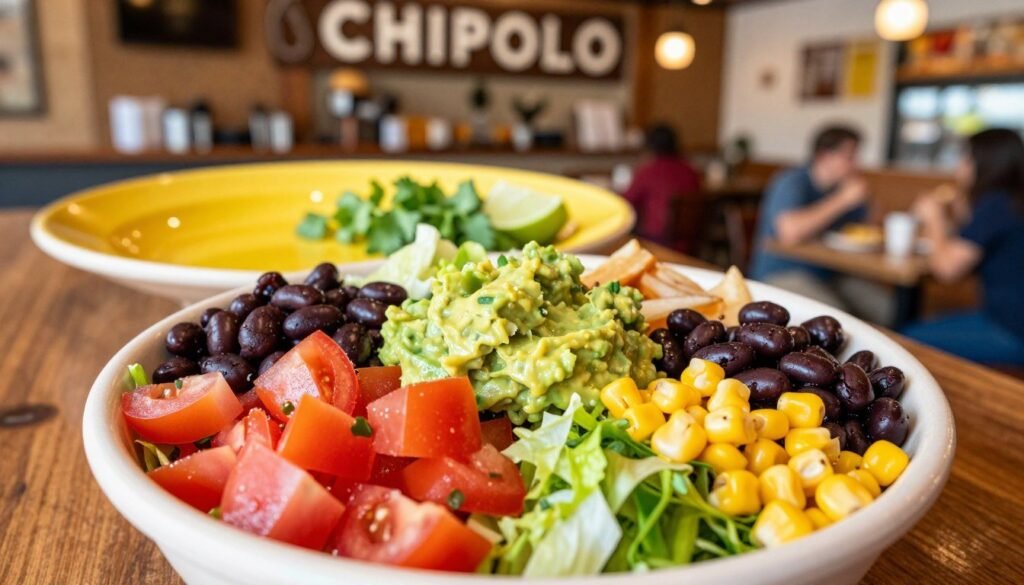
Guacamole: Healthy Fats Worth the Extra Charge
While guacamole does add calories, it’s a rich source of healthy fats that can enhance the nutritional profile of your meal. Rich in monounsaturated fats, guacamole can help with satiety and provide a feeling of fullness.
Cheese and Sour Cream: When to Indulge
Cheese and sour cream can be indulgent additions to your meal, adding flavor and calories. While they can be part of a balanced meal, it’s essential to consume them in moderation as part of a balanced diet.
Healthy Choices at Chipotle: Low-Calorie Meal Combinations
Creating a healthy meal at Chipotle is easier than you think, with numerous options to tailor your meal to your dietary needs. By making informed choices, you can enjoy a meal that is both nutritious and delicious.
Bowls Under 500 Calories That Actually Satisfy
To create a bowl under 500 calories, start with a base of salad greens, which are low in calories and rich in nutrients. Add a protein source like chicken or sofritas, and include fajita vegetables for added fiber and flavor without extra calories.
A sample bowl could include salad greens, chicken, fajita vegetables, and a light sprinkle of fresh salsa. This combination is not only under 500 calories but also packed with protein and fiber.
High-Protein, Low-Carb Power Meals
For a high-protein, low-carb meal, choose a protein-rich base such as steak or barbacoa, paired with fajita vegetables and a small amount of guacamole for healthy fats. Avoid adding rice and beans to keep the carb count low.
This meal is ideal for those following a low-carb diet or looking to increase their protein intake. The combination of protein and healthy fats will keep you satisfied and support muscle health.
Balanced Burrito Bowls for Sustained Energy
A balanced burrito bowl can provide sustained energy by combining complex carbohydrates, protein, and healthy fats. Start with brown rice and black beans for complex carbs and fiber, add a protein source like chicken or carnitas, and top with guacamole for healthy fats.
This balanced approach to a meal ensures that you’re getting a mix of nutrients that can help sustain your energy levels throughout the day.
Lifestyle Bowls: Pre-Made Healthy Options
Chipotle offers several Lifestyle Bowls that are designed to be healthy and convenient. These bowls are pre-configured with balanced ingredients and are labeled according on the menu.
Choosing a Lifestyle Bowl is a great way to ensure you’re getting a healthy meal that’s tailored to your dietary needs, whether you’re looking for something low-carb, vegetarian, or high in protein.
Chipotle Dietary Information for Every Lifestyle
From keto to vegan, Chipotle’s menu is versatile enough to accommodate different lifestyles and dietary preferences. The key to making a healthy and satisfying choice is understanding the nutritional content of each ingredient and customizing your meal accordingly.
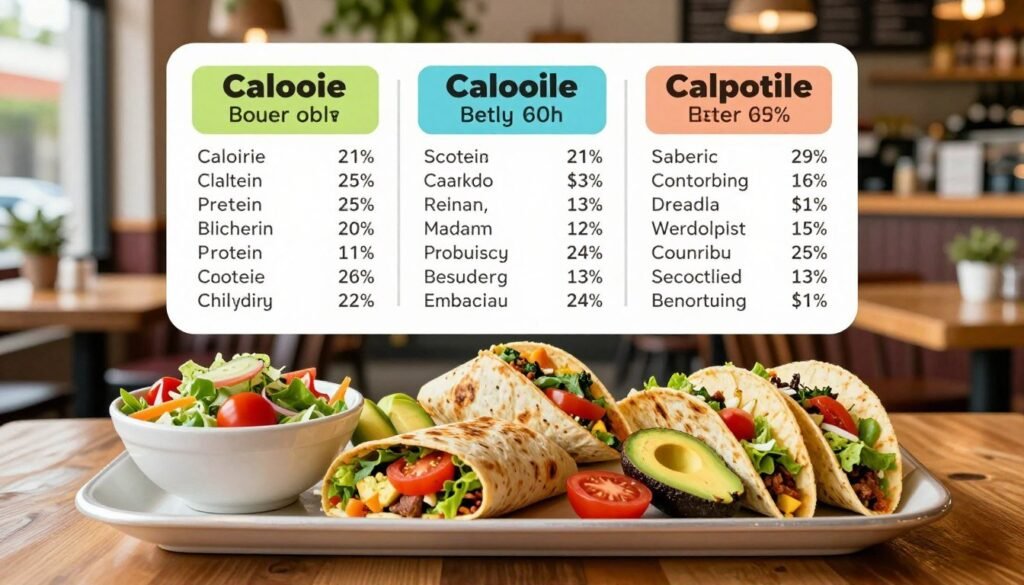
Keto and Low-Carb Ordering Guide
For those following a keto or low-carb diet, Chipotle offers several options. Start with a bowl or salad base, and choose proteins like chicken, steak, or carnitas. Add fajita vegetables and guacamole for healthy fats, but be mindful of the carb count in beans and rice.
Tips for keto ordering: Skip the rice and beans, and opt for extra vegetables and guacamole instead.
Vegetarian and Vegan-Friendly Builds
Vegetarians and vegans can also enjoy Chipotle’s offerings. Sofritas, a plant-based protein made from organic, non-GMO tofu, is a great option. Pair it with black beans, fajita vegetables, and guacamole for a filling meal.
- Choose a salad or bowl base
- Select Sofritas as your protein
- Add black beans, fajita vegetables, and guacamole
Whole30 Compliant Choices
For those following the Whole30 diet, Chipotle’s menu can be adapted to fit your needs. Choose proteins like chicken, steak, or carnitas, and pair them with vegetables and guacamole.
Whole30 tips: Avoid beans, rice, and dairy products, and opt for compliant salsas and vegetables instead.
Paleo-Friendly Combinations
Paleo dieters can also find options at Chipotle. Focus on proteins, vegetables, and healthy fats like guacamole. Be cautious with beans and rice, as they are not paleo-friendly.
Example paleo bowl: Choose a protein like chicken or steak, add fajita vegetables, and top with guacamole and salsa.
Chipotle Allergen Information and Ingredients List
For individuals with dietary restrictions, understanding the ingredients and allergens at Chipotle is crucial for a safe and enjoyable dining experience. Chipotle Mexican Grill prioritizes customer health and safety by providing detailed information about their menu items.
Chipotle’s commitment to transparency includes maintaining an up-to-date ingredients list and allergen information. This information is vital for customers who need to avoid certain ingredients due to allergies or dietary preferences.
Understanding the Chipotle Ingredients List
The Chipotle ingredients list is a comprehensive resource that outlines every component of their menu items. By reviewing this list, customers can identify potential allergens and make informed decisions about their meals.
Key components of the Chipotle ingredients list include:
- Protein sources (chicken, steak, barbacoa, carnitas, sofritas)
- Grains (white rice, brown rice, tortillas)
- Vegetables (fajita veggies, lettuce, tomatoes)
- Dairy and dairy alternatives (cheese, sour cream, guacamole)
- Salsas and sauces
Gluten-Free Dining at Chipotle
For those with gluten intolerance or sensitivity, Chipotle offers several gluten-free options. Understanding what ingredients are gluten-free is essential for a safe dining experience.
Gluten-free choices at Chipotle include:
- Salad bowls with protein options like chicken, steak, or sofritas
- Meat and vegetable burrito bowls without the tortilla
- Many of their salsas and sauces
However, it’s crucial to inform the staff about your gluten intolerance to ensure proper handling and preparation to avoid cross-contamination.
Navigating Dairy and Other Common Allergens
Dairy is a common allergen found in various Chipotle menu items, such as cheese and sour cream. Additionally, other allergens like soy and tree nuts may be present in certain ingredients.
To navigate dairy and other allergens at Chipotle:
- Review the ingredients list carefully
- Ask staff about the preparation of specific menu items
- Consider alternatives or modifications to avoid allergens
By being informed and communicating with Chipotle staff, customers with dietary restrictions can enjoy a safe and satisfying meal.
Mastering Your Chipotle Calorie Count: Practical Tips
Discover the secrets to maintaining a healthy diet at Chipotle without sacrificing flavor. With a few simple strategies, you can enjoy your favorite Chipotle meals while keeping your calorie count in check.
Portion Control Strategies That Work
One of the most effective ways to manage your calorie intake at Chipotle is through portion control. Opting for a bowl instead of a burrito can significantly reduce your calorie count. Additionally, choosing to have your meal without the tortilla or having a smaller portion of rice and beans can make a big difference.
Tips for Portion Control:
- Choose a bowl over a burrito
- Reduce the amount of rice and beans
- Load up on vegetables
Simple Swaps to Cut Calories in Half
Making simple swaps in your Chipotle order can drastically cut down on calories. For instance, switching from white rice to brown rice or choosing salsa over guacamole (or using it sparingly) can be beneficial.
| Original Choice | Swapped Choice | Calorie Difference |
|---|---|---|
| White Rice | Brown Rice | 110 calories less |
| Guacamole | Fresh Tomato Salsa | 170 calories less |
What to Skip and What to Double Up On
Understanding what to skip and what to double up on can further enhance your meal’s nutritional value. Skipping sour cream and cheese can save you a significant amount of calories, while doubling up on vegetables like fajita veggies and lettuce can add fiber and nutrients without a lot of extra calories.
Skip: Sour cream, cheese, and high-calorie salsas.
Double Up On: Fajita veggies, lettuce, and tomatoes.
Creating Your Perfect Balanced Bowl
Creating a balanced bowl involves mixing protein, healthy fats, and complex carbohydrates. Start with a base of brown rice or lettuce, add a protein source like chicken or sofritas, and top it off with plenty of vegetables and a dash of salsa.
Conclusion
Eating healthy at Chipotle is easier when you know what to look for in their nutrition menu. By understanding the nutritional content of their menu items, you can make healthy choices at Chipotle that fit your dietary needs.
From protein-packed options like chicken and steak to nutrient-rich vegetables and beans, Chipotle offers a variety of healthy choices. Using the Chipotle nutrition calculator and being mindful of portion sizes can help you create a balanced meal.
Whether you’re watching your calorie intake, managing dietary restrictions, or simply looking for a nutritious meal, Chipotle’s menu is designed to accommodate different needs. By applying the insights gained from this article, you can enjoy a healthier and more satisfying dining experience at Chipotle.