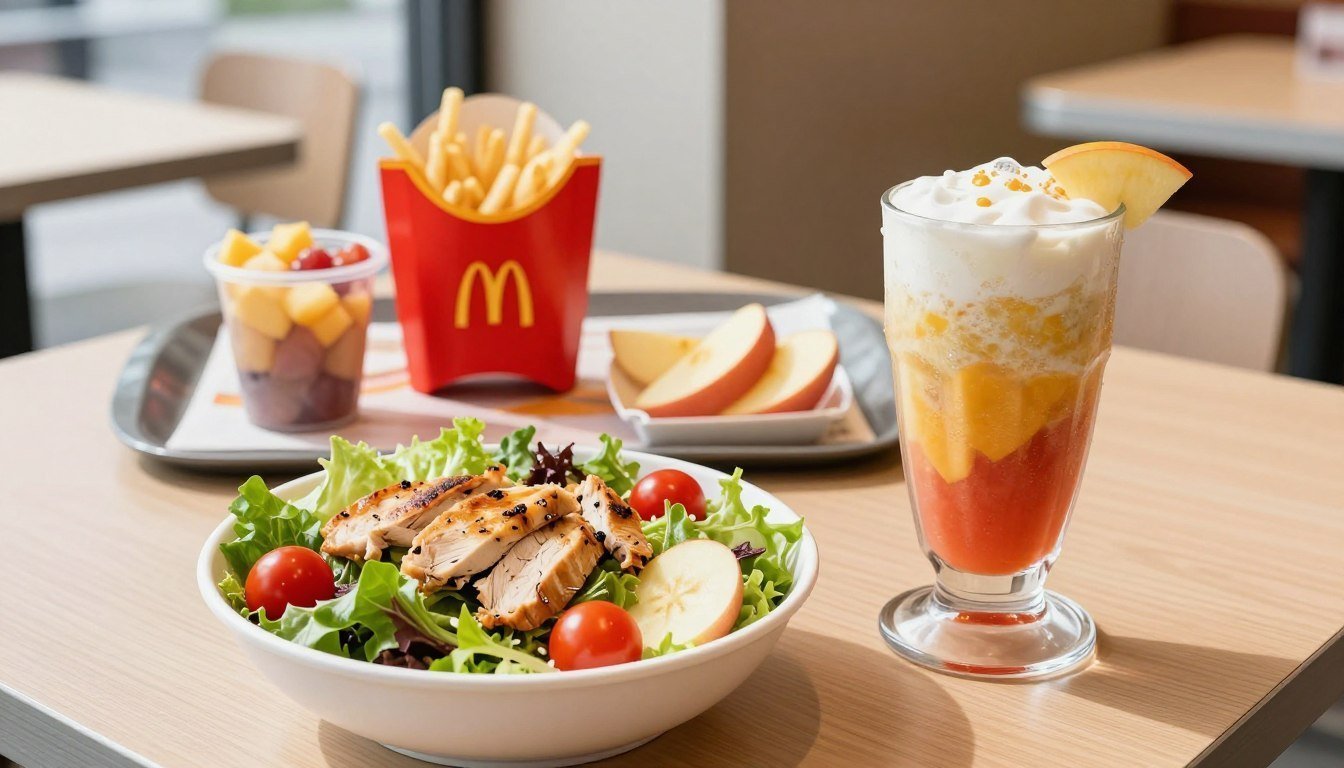
McDonald’s Menu Nutrition: Healthy Choices
Eating fast food can be a challenge when trying to make healthy choices. However, with the right information, you can enjoy your favorite meals while staying on track with your health goals.
Understanding the nutritional value of your food is key. According to McDonald’s official nutrition information, customers can make informed decisions about their meals. By reviewing fast food nutrition facts, you can identify the healthier options available at popular fast-food chains.
This article will explore the nutritional content of McDonald’s offerings, helping you to make better choices. You’ll learn how to navigate the menu for healthier options and understand the importance of nutrition facts in making informed decisions.
Key Takeaways
- Understanding nutrition information is crucial for making healthy choices.
- McDonald’s provides detailed nutrition facts for their menu items.
- Identifying healthier options is key to a balanced diet.
- Navigating the menu effectively can help you make better choices.
- Being informed about fast food nutrition facts empowers healthier eating.
Understanding McDonald’s Nutritional Information
Understanding the nutritional content of McDonald’s menu items is crucial for maintaining a balanced diet. McDonald’s provides detailed nutritional information to help customers make informed decisions about their meal choices.
How to Access McDonald’s Nutrition Facts
McDonald’s nutrition facts can be accessed on their official website. The nutrition facts are presented in a clear and concise manner, making it easy for customers to understand the nutritional content of their favorite menu items.
Decoding Nutrition Labels at McDonald’s
Nutrition labels at McDonald’s provide detailed information about the nutritional content of each menu item, including calorie counts, sodium content, and daily value percentages. Understanding these labels is key to making healthier choices.
Daily Value Percentages Explained
Daily Value percentages indicate how much a particular nutrient in a serving contributes to your daily dietary needs. For example, if a menu item has 20% of the Daily Value for sodium, it means one serving provides 20% of the total sodium you should consume in a day.
| Nutrient | Daily Value Percentage | Amount per Serving |
|---|---|---|
| Calories | 10% | 200 |
| Sodium | 20% | 400mg |
| Total Fat | 15% | 10g |
McDonald’s Menu Nutrition Facts and Guidelines
With a wide range of menu options, McDonald’s nutrition facts are essential for health-conscious consumers. Understanding the nutritional content of their favorite meals can help individuals make informed choices that align with their dietary needs.
Calorie Range Across the Menu
McDonald’s menu items vary significantly in calorie content. For instance, a Big Mac contains 540 calories, while a Double Cheeseburger has 440 calories. On the lower end, a Side Salad with Grilled Chicken contains about 140 calories. This wide range allows consumers to choose options that fit their calorie requirements.
Sodium and Fat Content Considerations
Sodium and fat content are critical factors in evaluating McDonald’s menu nutrition. Many menu items are high in sodium; for example, a Large Fries contains 350mg of sodium. Similarly, items like the Double Cheeseburger are high in fat, with 24g of fat per serving. Being mindful of these nutritional aspects can help consumers make healthier choices.
Protein and Carbohydrate Profiles
Protein and carbohydrates are essential components of a balanced diet. McDonald’s menu offers various protein-rich items like the Grilled Chicken Sandwich with 30g of protein. Carbohydrate content varies, with items like a Big Mac bun contributing 43g of carbs. Understanding these nutritional profiles can aid in making informed meal decisions.
| Menu Item | Calories | Sodium (mg) | Protein (g) |
|---|---|---|---|
| Big Mac | 540 | 970 | 25 |
| Double Cheeseburger | 440 | 1040 | 22 |
| Grilled Chicken Sandwich | 380 | 1040 | 30 |
Breakfast Menu Nutrition Analysis
Starting your day with a nutritious breakfast is essential, and McDonald’s offers several healthy options to consider. Their breakfast menu has been revamped to include a variety of items that cater to different dietary needs, making it easier for customers to make informed choices.
Healthier Breakfast Sandwich Options
McDonald’s provides several breakfast sandwich options that are considered healthier due to their nutritional content. Two popular choices are the Egg White Delight McMuffin and the Classic Egg McMuffin.
Egg White Delight McMuffin Nutrition
The Egg White Delight McMuffin is a lower-calorie option, featuring egg whites, Canadian bacon, and melted cheese on a toasted English muffin. It contains 250 calories, making it a nutritious start to the day.
Classic Egg McMuffin Benefits
The Classic Egg McMuffin is another popular breakfast item, consisting of a freshly cracked egg, Canadian bacon, and melted cheese on a toasted English muffin. While it has slightly more calories than the Egg White Delight, it still offers a balanced mix of protein and complex carbohydrates.
Oatmeal and Yogurt Parfait Nutrition
In addition to breakfast sandwiches, McDonald’s offers oatmeal and yogurt parfait as healthier alternatives. Their oatmeal is made with steel-cut oats and can be customized with various toppings. The yogurt parfait, layered with granola and fresh berries, provides a good source of calcium and fiber.
These options demonstrate McDonald’s commitment to providing a range of healthy breakfast choices, allowing customers to select meals that fit their dietary preferences and needs.
Burgers and Sandwiches: Nutritional Breakdown
McDonald’s burgers and sandwiches are a staple on their menu, but understanding their nutritional content is key to making informed choices. By examining the nutritional facts and making a few simple modifications, customers can enjoy their favorite burgers and sandwiches while keeping their diet in check.
Classic Burgers: Calories and Nutrition Facts
Classic burgers at McDonald’s, such as the Hamburger and the Cheeseburger, have distinct nutritional profiles. A Hamburger contains a beef patty, bun, pickles, and onions, totaling around 300 calories, with 3g of total fat and 460mg of sodium. Adding cheese increases the calorie count to about 380 for a Cheeseburger, with 8g of total fat and 1180mg of sodium.
Healthier Burger Modifications
Modifying your burger can significantly reduce its calorie count. Simple changes can make a big difference in the nutritional value of your meal.
Removing High-Calorie Toppings
Removing or reducing high-calorie toppings like cheese, bacon, and special sauces can lower the calorie and fat content of your burger. For example, skipping the cheese on a Cheeseburger saves about 100 calories and reduces fat intake.
Single Patty vs. Double Patty Options
Choosing a single patty burger over a double patty option can also cut down on calories and fat. A Double Cheeseburger has around 640 calories and 12g of total fat, whereas a Cheeseburger has 380 calories and 8g of total fat.
Lower-Calorie Sandwich Alternatives
For those looking for lower-calorie options, McDonald’s offers alternatives like grilled chicken sandwiches. The Grilled Chicken Sandwich, for instance, contains around 380 calories, with 3.5g of total fat and 1040mg of sodium, making it a relatively healthier choice compared to some of the richer burger options.
Chicken and Fish Items: Making Smarter Choices
For those looking to make healthier choices at McDonald’s, examining the chicken and fish options is a good start. McDonald’s menu includes a variety of chicken and fish items, such as grilled chicken and the Filet-O-Fish sandwich, each with its own nutritional profile.
Grilled vs. Crispy Chicken Comparison
When it comes to chicken, McDonald’s offers both grilled and crispy options. The grilled chicken tends to be lower in calories and fat compared to its crispy counterpart. For instance, a grilled chicken sandwich typically has fewer calories than a crispy chicken sandwich. Choosing grilled over crispy can be a healthier option for those watching their calorie count.
Filet-O-Fish Nutritional Profile
The Filet-O-Fish sandwich is another popular choice at McDonald’s. It consists of a breaded and fried fish patty served on a bun. While it can be a good source of protein, it’s also relatively high in sodium and fat. Understanding the nutritional content of the Filet-O-Fish can help consumers make more informed decisions about their meal choices.
Nuggets and Tenders: Portion Control Tips
McDonald’s chicken nuggets and tenders are favorite items among many customers. However, they can be high in calories, fat, and sodium, especially when consumed in large portions. Practicing portion control is key. Opting for smaller servings or sharing a larger portion can help manage calorie intake. Additionally, considering alternative dipping sauces can further reduce calorie consumption.
By being mindful of the nutritional differences between these chicken and fish items, consumers can make smarter choices that align with their dietary goals.
Salads and Sides: Finding Nutritional Balance
Finding nutritional balance at McDonald’s involves making informed choices about salads and sides. These menu items can significantly impact the overall healthiness of your meal.
Salad Options and Their Nutritional Value
McDonald’s offers a variety of salads that can be a healthy choice. For instance, their Southwest Buttermilk Crispy Chicken Salad contains a mix of greens, vegetables, and chicken, providing a good source of protein and fiber.
| Salad | Calories | Fat (g) | Sodium (mg) |
|---|---|---|---|
| Southwest Buttermilk Crispy Chicken | 440 | 23 | 1040 |
| Bacon Ranch Grilled Chicken | 320 | 14 | 830 |
Dressing Choices and Their Impact
The choice of dressing can greatly affect the nutritional value of a salad. Opting for lighter dressings like vinaigrette can help keep calories and fat in check.
For example, switching from a creamy dressing to a vinaigrette can reduce calories by up to 150 per serving.
Healthier Alternatives to French Fries
While French fries are a popular side, there are healthier alternatives. McDonald’s offers a fruit and yogurt parfait that is rich in calcium and fiber.

Choosing a fruit and yogurt parfait over French fries can significantly reduce calorie and fat intake, making for a more balanced meal.
Beverages: Hidden Calories and Better Options
When grabbing a meal at McDonald’s, it’s easy to overlook the calories hidden in their beverages. Drinks can significantly impact the overall nutritional value of your meal, making it crucial to choose wisely.
Sugar Content in McDonald’s Drinks
Many McDonald’s drinks are high in sugar, contributing to a significant portion of the daily recommended intake. For instance, a large Coca-Cola contains 86 grams of sugar, exceeding the daily recommended limit. Being mindful of the sugar content can help in making informed choices.
Zero-Calorie and Lower-Sugar Alternatives
For those looking to reduce their sugar intake, McDonald’s offers several zero-calorie and lower-sugar drink options. Choosing water, unsweetened tea, or diet sodas can significantly lower the calorie count of your meal. These alternatives allow you to stay hydrated without consuming excessive sugar.
Coffee and Tea Nutrition Facts
McDonald’s coffee and tea can be a good choice for those seeking a beverage with fewer calories. A standard cup of black coffee contains just 0 calories. However, adding cream and sugar can quickly increase the calorie count. Opting for unsweetened tea or coffee and limiting additives can make for a healthier beverage choice.
By being aware of the nutritional content of McDonald’s beverages and making informed choices, you can enjoy your meal while keeping your diet on track.
Creating Balanced Meals at McDonald’s
Balancing your meal at McDonald’s involves making informed choices from their diverse menu. By selecting the right combinations, you can enjoy a nutritious meal that fits your dietary needs.
Breakfast Meal Combinations Under 500 Calories
Starting your day with a balanced breakfast at McDonald’s can be achieved by opting for lower-calorie options. For instance, choosing the Egg White & Turkey Sausage McMuffin paired with a small fruit and yogurt parfait keeps your meal under 500 calories while providing a good mix of protein, fiber, and calcium.
Lunch and Dinner Combinations Under 600 Calories
For lunch or dinner, you can create a balanced meal by combining a protein source with vegetables and a moderate amount of carbohydrates. A Grilled Chicken Sandwich without the bun, paired with a side salad with a light vinaigrette dressing, makes for a nutritious meal under 600 calories.
Kid’s Meal Nutrition and Healthier Options
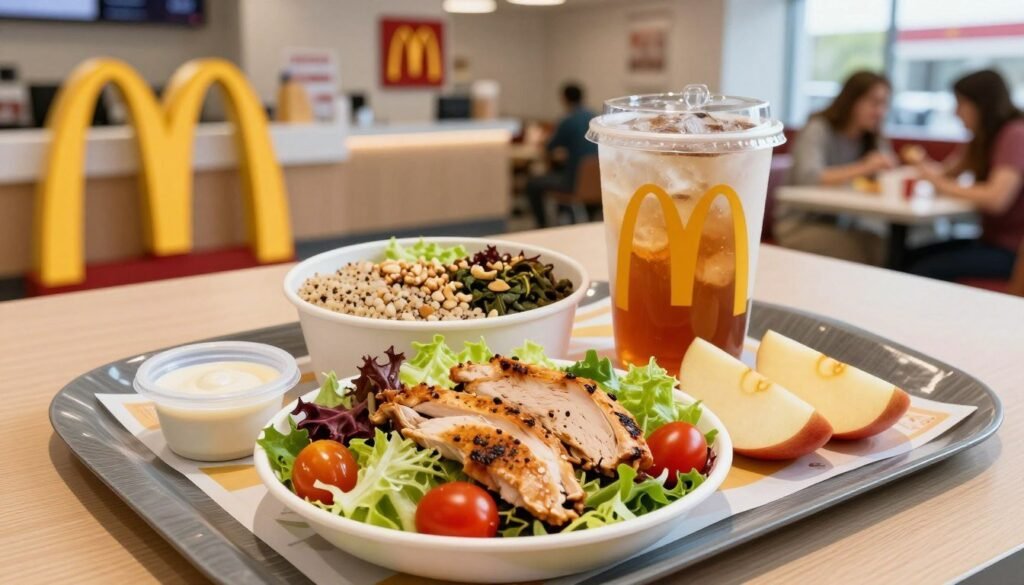
When it comes to kid’s meals, McDonald’s offers several healthier options. Choosing the Grilled Chicken Sandwich or Cheeseburger without the larger fries and opting for a side salad or apple slices instead can make for a more balanced meal. Additionally, selecting a smaller drink size or a low-fat milk further enhances the nutritional value.
By being mindful of your choices, you can enjoy a balanced and satisfying meal at McDonald’s, whether it’s breakfast, lunch, or dinner.
Special Dietary Considerations at McDonald’s
Understanding the nutritional content of McDonald’s menu items is crucial for those with special dietary needs. McDonald’s offers a range of options that can cater to different dietary requirements, making it easier for customers to make informed choices.
Low-Carb Menu Navigation
Navigating McDonald’s menu for low-carb options requires some knowledge of their nutritional content. Grilled chicken sandwiches without the bun or certain salads with protein can be good alternatives. It’s essential to avoid or limit high-carb items like fries and sugary drinks.
Low-Carb Tips:
- Choose grilled chicken or fish sandwiches without the bun.
- Opt for salads with grilled chicken or salmon.
- Avoid or limit fries and high-carb beverages.
Vegetarian and Plant-Based Options
McDonald’s has introduced vegetarian and plant-based options to cater to the growing demand for plant-centric meals. Their menu includes items like salads, fruit and yogurt parfaits, and certain breakfast items that are vegetarian-friendly.
| Menu Item | Calories | Protein (g) |
|---|---|---|
| Southwest Buttermilk Salad | 320 | 30 |
| Strawberry & Creme Yogurt Parfait | 150 | 4 |
| Fresh Fruit and Yogurt Parfait | 150 | 4 |
Allergen Information and Gluten-Sensitive Choices
For individuals with gluten sensitivity or other food allergies, it’s crucial to have access to allergen information. McDonald’s provides resources to help customers make safe choices, including detailed allergen information on their website.
When dining at McDonald’s, customers with gluten sensitivity can consider options like grilled chicken salads or certain breakfast items, being mindful of cross-contamination risks.
Conclusion: Balancing Enjoyment and Nutrition at McDonald’s
By understanding McDonald’s menu nutrition, customers can enjoy their favorite meals while making healthier choices. Throughout this article, we’ve explored the various aspects of McDonald’s nutritional information, from breakfast options to burgers and sandwiches, and even salads and sides.
When dining at McDonald’s, it’s essential to strike a balance between enjoyment and nutrition. By being mindful of fast food nutrition facts and opting for healthy options at McDonald’s, customers can indulge in their cravings while maintaining a balanced diet.
Whether you’re looking for a quick breakfast or a satisfying meal, McDonald’s menu offers a range of choices. By applying the knowledge gained from this article, you can make informed decisions about your meal, choosing options that align with your dietary needs and preferences, all part of understanding McDonald’s menu nutrition.